My First Custom PC Build
My first custom PC build using AMD Ryzen, and why I finally took the plunge into building my own workstation.
Zach Robichaud
Table of Contents
My First Custom PC Build
For most of my professional career, I've used inexpensive laptops and desktops. I had never built a custom PC—until recently.
The Turning Point
It started when I bought a cheap video card for my old desktop because my monitors weren't compatible with the motherboard's connections. That small upgrade opened my eyes to how affordable and straightforward it is to upgrade computers. It was a part of the industry I hadn't explored until then.
Shortly after, AMD released the Ryzen CPUs. I had been following them through reviews and benchmarks on YouTube and forums, and I was impressed.
Taking the Plunge
I decided it was time to invest in the tools I use to make my living. I found an app called PC Part Picker, which was essential for choosing compatible components. Not being a hardware person, I was worried about getting the wrong parts—especially given the investment.
Why I Needed an Upgrade
My old computer struggled constantly. The CPU sat at 90% usage most of the day, and RAM was nearly maxed out (only 400MB free out of 24GB). It crashed frequently in the middle of work.
I don't do heavy gaming—just some light City Skylines sessions. But I run many production-style servers and virtual machines for testing, which demands serious resources.
Inspiration
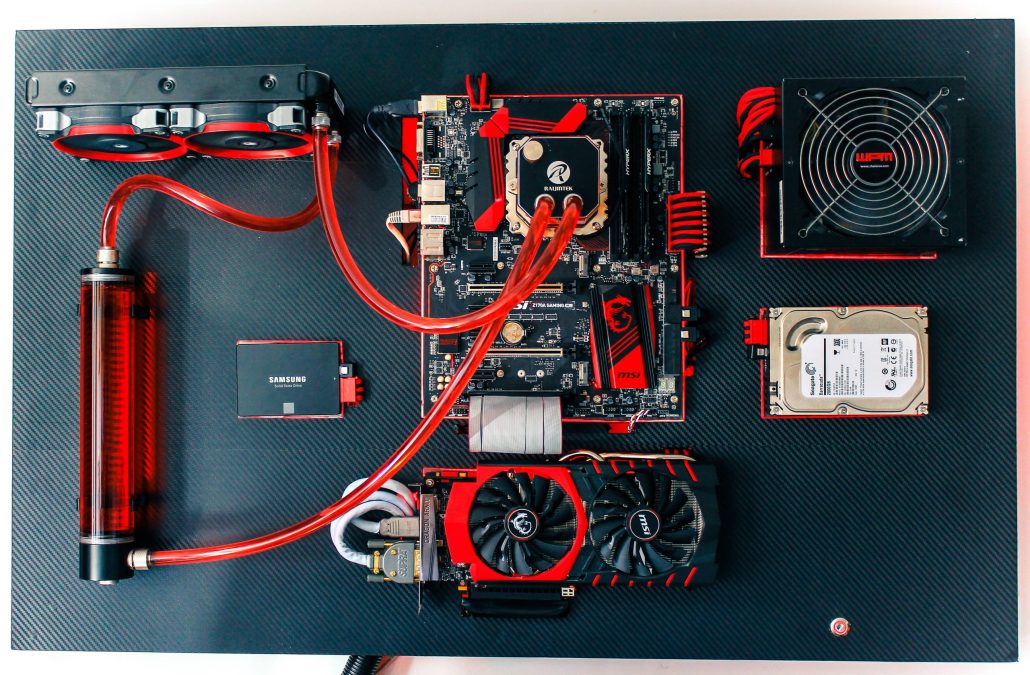
This wall-mounted PC build was part of my inspiration. I don't need liquid cooling since I won't be pushing the system that hard, but the clean aesthetic appealed to me.
The Specs
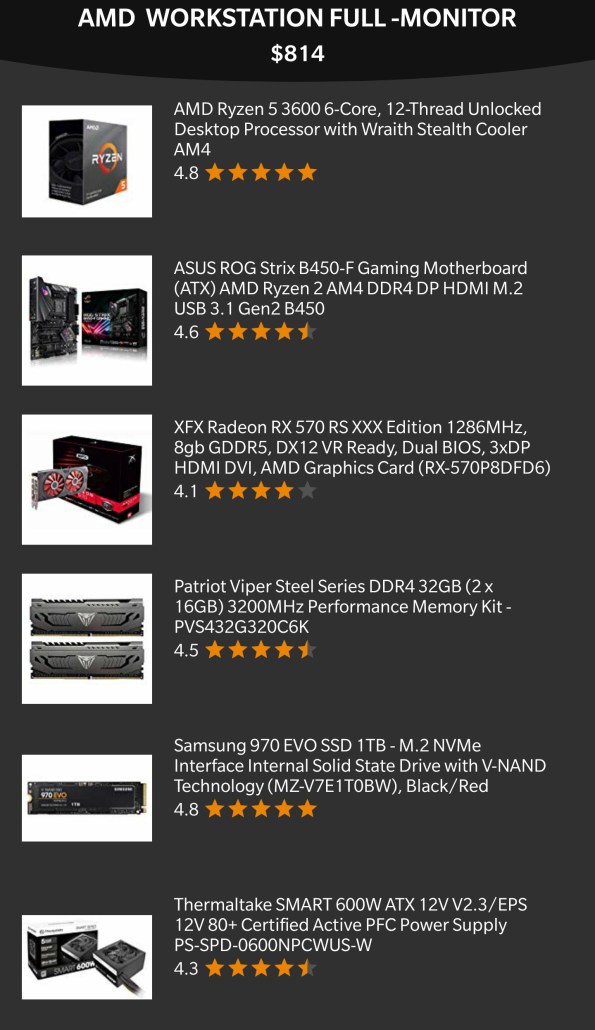
The Ryzen 5 3000 series CPU has 6 cores and 12 threads—a huge upgrade from what I had before. For the money, this is a powerful machine, and I'm very happy with it.
How was this article?
Related Posts
New Keyboard and Mouse
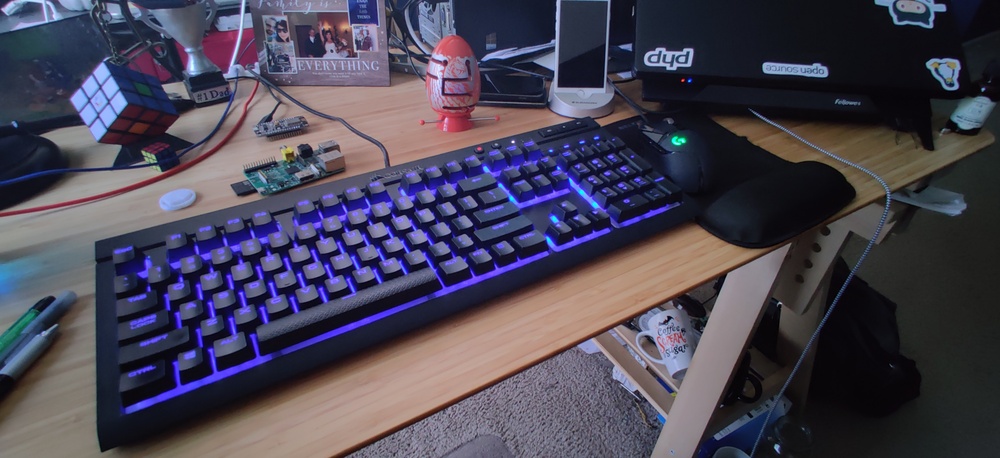
My experience choosing a mechanical keyboard and gaming mouse after eight years with my old peripherals.

New Carbon Technology That Allows Microchips to Heal
Exploring how graphene-based technology could enable self-healing microchips.
Comments (0)
No comments yet. Be the first to share your thoughts!